Dr. Mamelak will now be seeing and treating patients at Westlake Dermatology Georgetown and Far West beginning November 2025

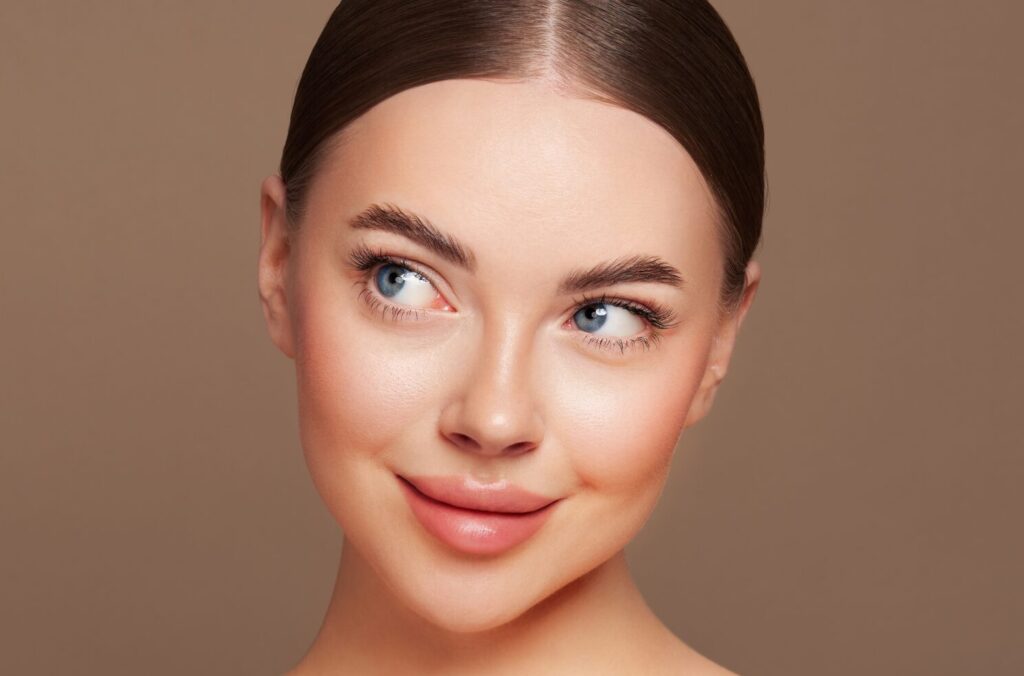
Gone are the days of treating a single wrinkle, lip, or cheek in isolation. One of the biggest aesthetic trends of 2026 is facial balancing. This personalized approach to cosmetic enhancement focuses on creating harmony and proportion across the entire face.

Rather than chasing one specific feature, facial balancing aims to improve how all facial features work together. The goal is a refreshed, naturally attractive appearance that preserves your unique beauty while enhancing overall facial symmetry and balance.

What are the core focuses of facial balancing?

• Chin and jawline definition
• Cheek projection and contour
• Lip proportion and shape
• Midface volume restoration
• Under-eye support
• Profile refinement
• Facial symmetry and proportion

The priority isn’t simply adding volume—it’s strategically enhancing areas that improve the overall facial aesthetic. Often, subtle changes in the chin, cheeks, or jawline can create a more dramatic improvement than treating the lips alone.

How is Facial Balancing performed?

A comprehensive facial assessment is performed to evaluate proportions from the front, side, and three-quarter views. Advanced injectable treatments such as dermal fillers, neuromodulators, and biostimulatory injectables may be used to enhance structural support, restore volume, and refine facial contours. Treatment plans are customized to each individual’s anatomy, facial structure, and aesthetic goals.

Facial Balancing Treatments

Dermal Fillers

Injectable hyaluronic acid dermal fillers are a primary tool used for these treatments, placed in strategic locations to restore lost volume and build structure.
  • Cheeks: Lifts the mid-face and defines the cheekbones.
  • Chin: Balances a receding chin or reshapes the profile to align with the lips and nose.
  • Jawline: Creates definition, sharpens angles, and corrects asymmetry.
  • Liquid Rhinoplasty: Uses precise filler placements to smooth bumps or lift the tip of the nose without surgery.

Neuromodulators

Injectables like Botox and Dysport are used alongside fillers to soften dynamic wrinkles and address muscle-based asymmetries.
  • Jawline (Masseter reduction): Slims a square or overactive jaw to create a more oval, balanced facial shape.
  • Brow Lift: Relaxes the muscles pulling down the eyebrows, opening up the eyes and balancing upper-face proportions.

Biostimulatory Injections

Products like Sculptra and PRP are used to trigger your skin’s natural collagen production. This provides gradual, subtle volume over time and is typically used for overall foundational support.

Surgical Options

For more dramatic lifting, repositioning, or definitive structural changes, surgical facial balancing may include customized facelifts, fat transfers, or surgical implants.
The exact combination of treatments is highly personalized and mapped directly to your unique facial anatomy and aesthetic goals.

Core Principles of Facial Balancing

1. Global Assessment Over Spot Treatment
Instead of focusing on a single imperfection (like thin lips or a deep fold), aesthetic providers take a holistic approach, looking at the entire face. They assess how your cheeks frame your eyes, how your nose relates to your chin, and how the jawline anchors the lower face. Treating one area in isolation can sometimes disrupt symmetry, whereas integrated adjustments create a more natural look.
2. The Rule of Thirds
A cornerstone of structural balancing divides the face horizontally into three equal sections:
  • Upper Third: Hairline to the eyebrows.
  • Middle Third: Eyebrows to the base of the nose.
  • Lower Third: Base of the nose to the chin.

A balanced face maintains proportional harmony across these three segments.

3. Vertical Proportions & The Golden Ratio
The “Golden Ratio” or Divine Proportion (1 : 1.618) is a mathematical ratio associated with the perception of beauty and attractiveness when applied to facial proportions and harmony. It has been associated with facial length vs. width, eye spacing, lips and nose, and others. For example, a visually pleasing face is often roughly 1.618 times longer than it is wide. The ideal ratio of upper lip height to lower lip height is roughly 1/3 : 2/3.
4. Profile Harmony & Projection
Facial balancing requires a three-dimensional evaluation, especially for the side profile. For example, aesthetic guidelines like the Ricketts Line, describes ideal lip projection to be 4 mm behind a line drawn from the tip of the nose to the chin. If a chin is recessed, it can make the nose appear larger. Filling and projecting the chin can balance the entire profile.
5. Subtle Enhancement
Facial balancing is about refinement, not transformation. Renovation, not reconstruction. The goal is to highlight one’s own structural strengths, while correcting subtle discrepancies. You can still restore volume lost to the aging process while preserving one’s identity and natural facial movements.
6. Personalization
Facial Balancing is not a one-size-fits-all approach. Aesthetic treatment plans  are customized to an individual’s unique bone structure, ethnicity, and aesthetic goals.

Facial Balancing Results

A natural, refreshed look that appears effortlessly beautiful—not “done.” The best facial balancing treatments are the ones no one notices. They simply notice that you look amazing.

To learnn more about Facial Balancing and other aesthetic procedures, please contact us.